
Summer storm at 5 p.m.
A heavy dark sky, wet ground that reflects, one last raking ray of sun.
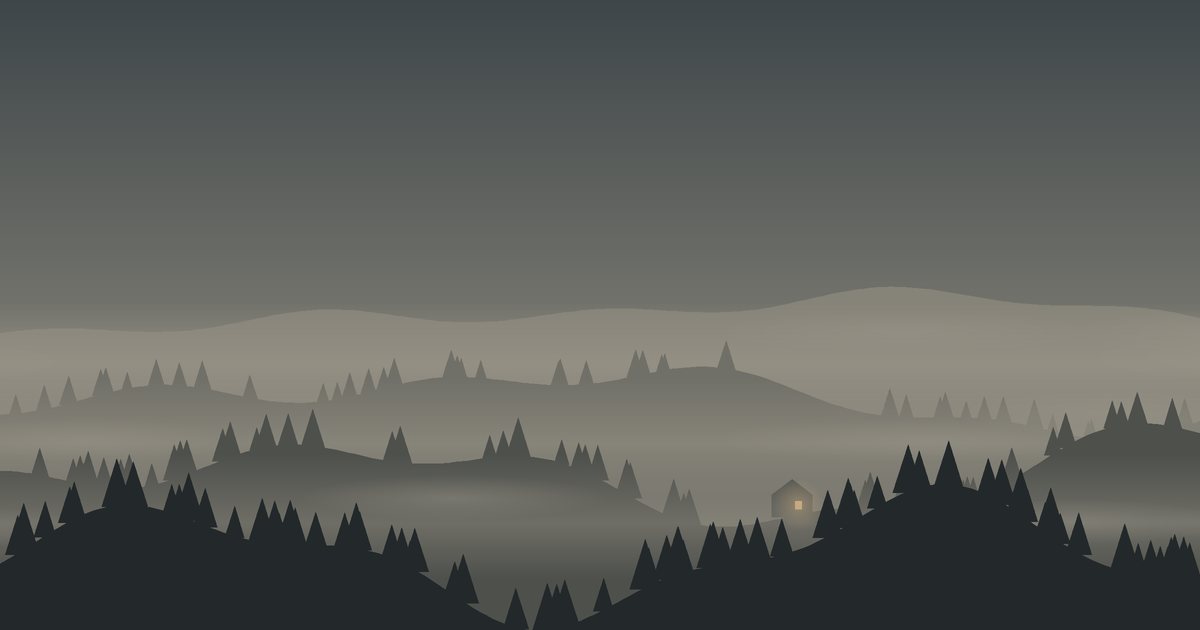
Late-afternoon summer storms are part of the weather in much of Brazil: a heavy sky closes in, the ground gets wet and, for a few minutes, a low sun breaks through from the side.
The drama comes from the temperature contrast: a cold, dark sky against one warm raking ray. Reflections on the wet ground double the light.
The recipe
| HDRI | storm, dense clouds |
|---|---|
| Sun | 5 to 10° elevation, from the side |
| Temp. | sun 3500 K against sky 8000 K |
| Material | floor with low roughness and puddles |
| Post | darken the sky, keep the ray of light |
Starting points for Corona or V-Ray, not rules.
Step by step in 3D
- Pick a storm HDRI with dense clouds, or darken a cloudy one until the sky is the darkest large mass in the frame.
- Place the sun low, at 5 to 10 degrees, coming from the side so it rakes across façades and ground.
- Set the sun warm, around 3500 K, against a cold sky around 8000 K.
- Make the ground wet: low roughness, puddles in the low points, a darker albedo.
- Keep one area of the building in the ray and let the rest fall into shadow.
Post-production
Darken and cool the sky, protect the warm ray from clipping and add a touch of mist near the ground for depth.
Where to study it
Saul Leiter, Turner. The reference library says what to look at in each one.
A starting phrase
Summer storm, 5:10 p.m., the first week of January. The rain has just stopped. 85 mm lens compressing the planes, a dark foreground framing the scene.
Write the moment before you model. Draw your own phrase in the Atmosphere Notebook, then check the render in the value study tool.
